In Thai culture, Wai is a beloved tradition that holds great significance. It is more than just a gesture of greeting it’s a way of expressing respect, gratitude, and goodwill. Wai is an...

This is traditionally the final part of the wedding rituals. The key component is the marital home where the bride and groom will live together as husband and wife, commonly referred to as the...

The Rod Nam Sang ceremony is an important and meaningful part of Thai weddings. It involves blessing the bride and groom by pouring water from a conch shell (sang) onto their hands, with the...

The Phi tee Rub Wai, or Respect Ceremony, is a key part of Thai wedding traditions. This ceremony typically follows the engagement ceremony (phi ti man) and precedes or alternates with the...

In Thai tradition, an engagement ceremony (phi tee man) signifies the formal promise of marriage and is marked by the presentation of engagement gifts, particularly the dowry. For couples seeking a...

After the khan maak procession, the wedding moves to the next important step: the dowry arrangement and proposal ceremony. This is when the gifts from the procession are officially presented, and the...
In Thai weddings, the khan maak procession and gate ceremony are joyful traditions that symbolize love, respect, and family unity. Khan Maak Procession Before the ceremony begins, the groom’s family...
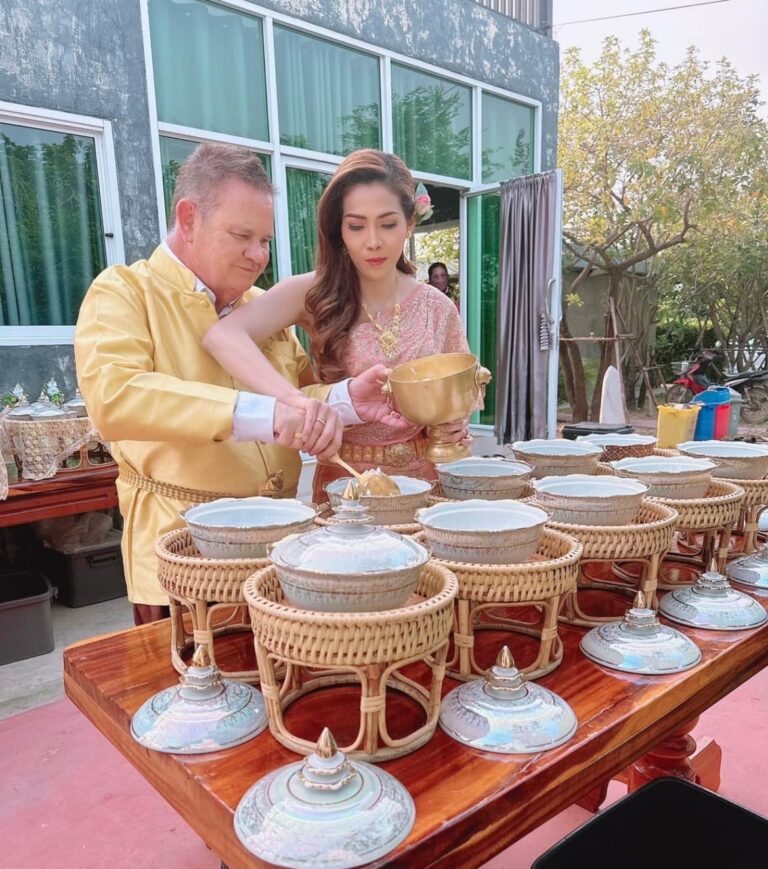
Monk Blessing and Merit-Making Ceremony in a Thai Traditional Wedding In Thai culture, a Buddhist blessing and merit-making ceremony is an important part of a traditional wedding. This ceremony adds...
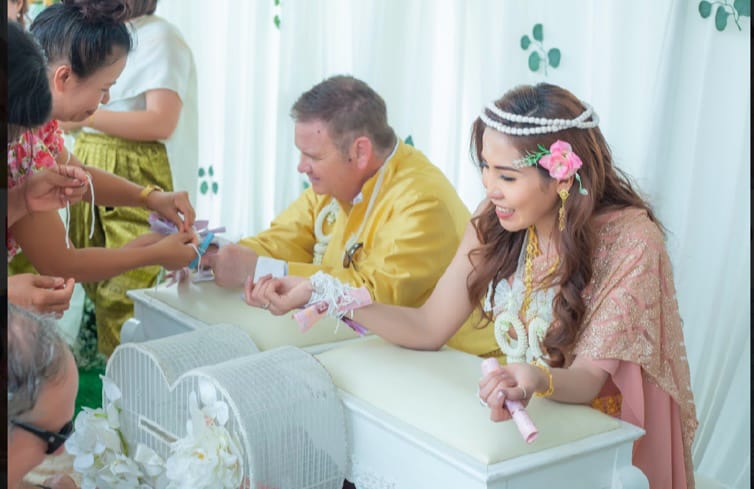
Wedding ceremonies in Thailand are rich in tradition, with each region having its own unique customs influenced by local culture, religion, and beliefs. These beautiful rituals have been passed down...